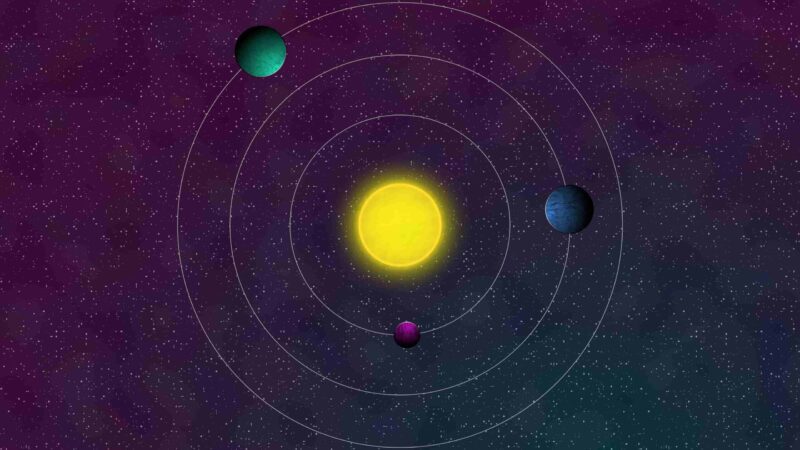
Generating SVG Solar Systems, Part 2: Filters, Gradients, and Clip Paths
Turning simple shapes into complex illustrations using some SVG magic.
You appear to be offline, some content may be unavailable.
Turning simple shapes into complex illustrations using some SVG magic.
Using JavaScript, SVGs, and CSS to procedurally generate unique solar systems.
By leveraging native browser controls, we can make accessible and high-performing components with just a dash of JavaScript.
You may have heard that you should be “linting” your code. What does that mean? Why would you want to do it?
Join me in exploring a recent experience where I started with flawed logic (without realizing it) and the steps I took to fix my bug. Let’s experience some broken code together. 🎉
Development toolchains now have many more layers of tools than they did years ago. Because of this change, the JS code that runs in our users' browsers looks less like the original code we authored. Periodically checking the code generated by our tools can lead to opportunities to reduce bundle size and improve performance for users.
If you’ve ever tried to use a CSS transition on an element with the hidden attribute or display: none;, you know this can be a challenge. I’ve run into this problem a number of times…
We do a lot of rapid prototyping at Cloud Four, which means we’re often working with incomplete or hypothetical content. When it comes to FPO images, we’ve relied on a few different solutions: Third-party services…
For a recent project, we built an isomorphic application with Nuxt.js. It was important for our app to function for users even if they were offline, so I got to work on turning…
As a JavaScript developer, I’m used to my code running differently in different environments. But earlier this week, I ran into a problem that left me scratching my head for most of the morning. I…