Web Components as Progressive Enhancement

By wrapping and enhancing HTML elements, we can provide a solid baseline experience, with progressive enhancement as the cherry on top.
You appear to be offline, some content may be unavailable.
By wrapping and enhancing HTML elements, we can provide a solid baseline experience, with progressive enhancement as the cherry on top.
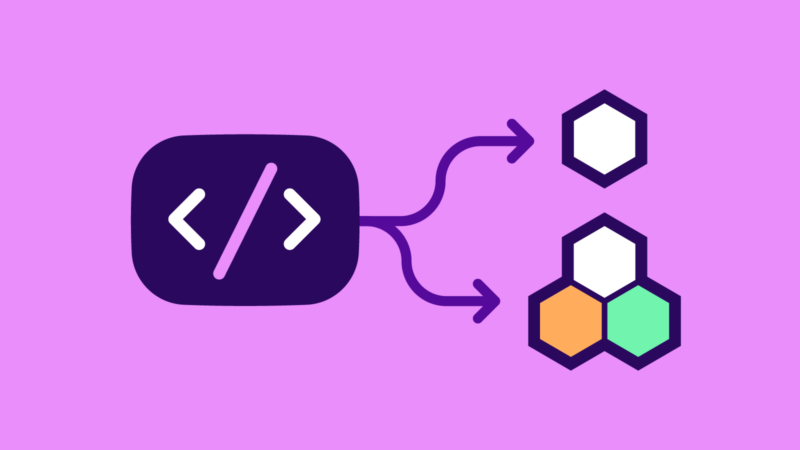
How custom elements have disrupted the structure of our components, encouraging us to broaden the scope of patterns we once considered foundational.
Web components promise speedier integration. At some level, I understood this. I've even made this exact point while advocating for them. And yet, what happened on a recent project surprised me.
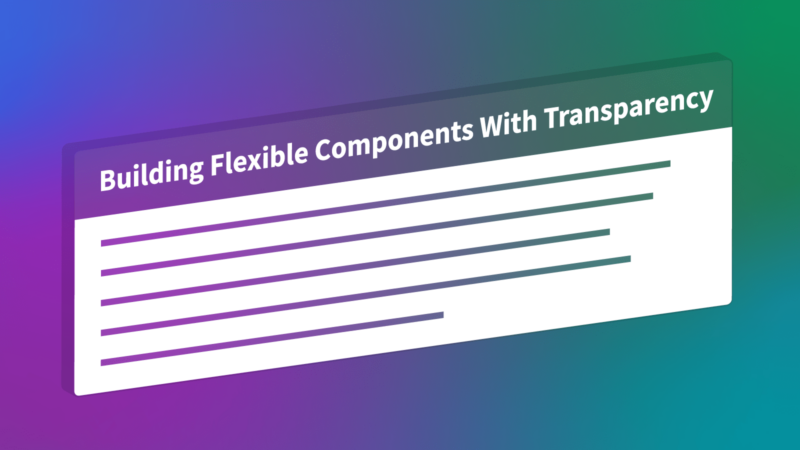
By adding a touch of transparency, we can design components that automatically adapt to their backgrounds.

A frustrating struggle to keep a tiny native app alive reminds me why I appreciate the web.
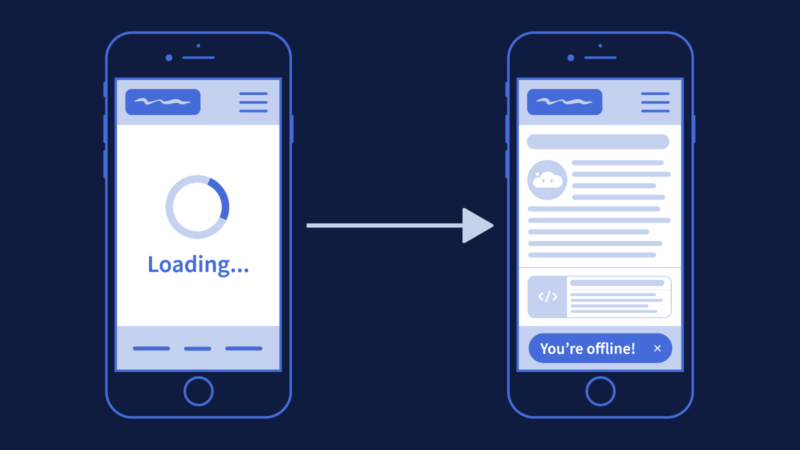
For a recent project, we built an isomorphic application with Nuxt.js. It was important for our app to function for users even if they were offline, so I got to work on turning…
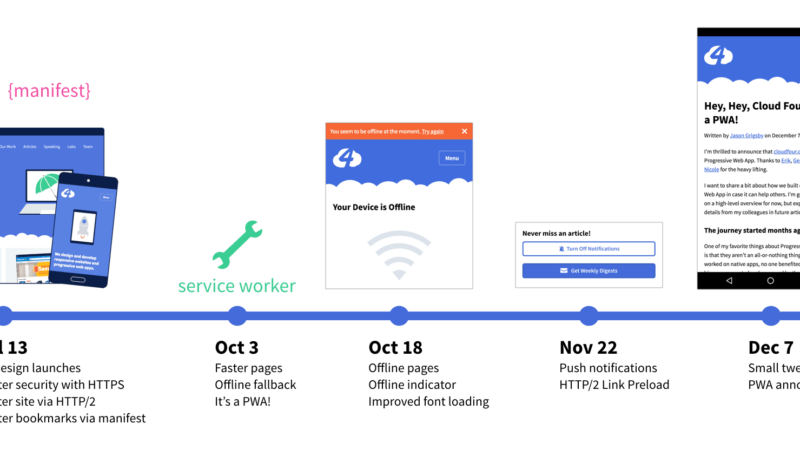
One of the hidden benefits of Progressive Web Apps is that you can start right now and roll out features incrementally. We took this approach when building our own Progressive Web App last year. Our…
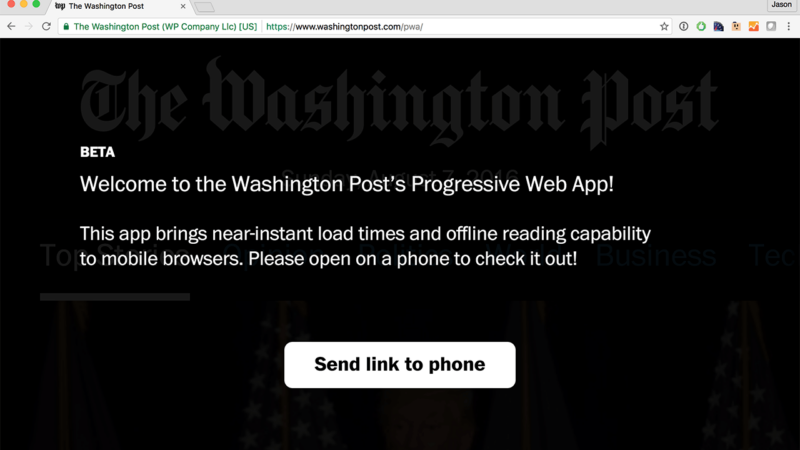
Designing responsive Progressive Web Apps forces us to tackle design challenges that we’ve been been able to side-step thus far. What do users expect from these new apps?

Technical articles about Progressive Web Apps abound, but few tackle the question of why businesses should build Progressive Web Apps and why they should do so now.

Over the last few years, we’ve converted quite a few existing sites and applications to responsive web design. We’ve gotten pretty good at it so I thought I’d share our process. Not a full redesign…