Hide/Show Passwords: Ten Years Later

A look back at one of my first (and most popular) open source projects.
You appear to be offline, some content may be unavailable.
A look back at one of my first (and most popular) open source projects.
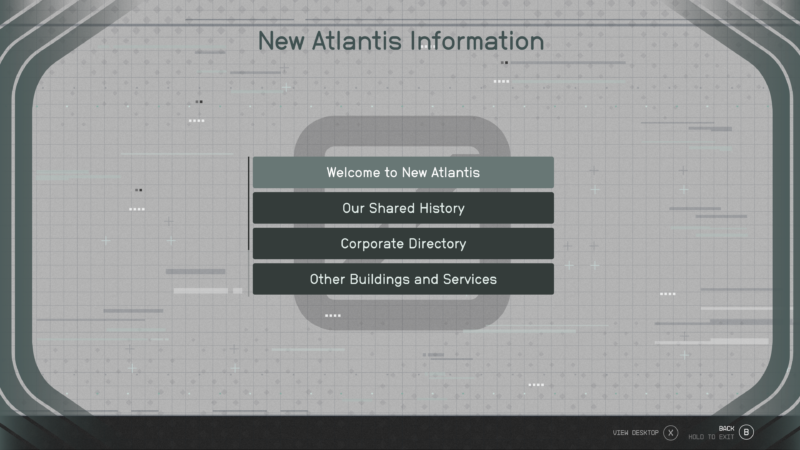
Starfield has a lot of computers to interact with: Ship controls, desktop terminals, and information kiosks. And they all have accessibility problems.

I see a recurring performance problem on many ecommerce sites—the most important images on the page are being lazy loaded when they shouldn't be. You’re better off not implementing lazy loading at all than implementing it incorrectly.
Part 4 explores the ValidityState API, a powerful, approachable, and well-supported API we can use to define custom validation messages.
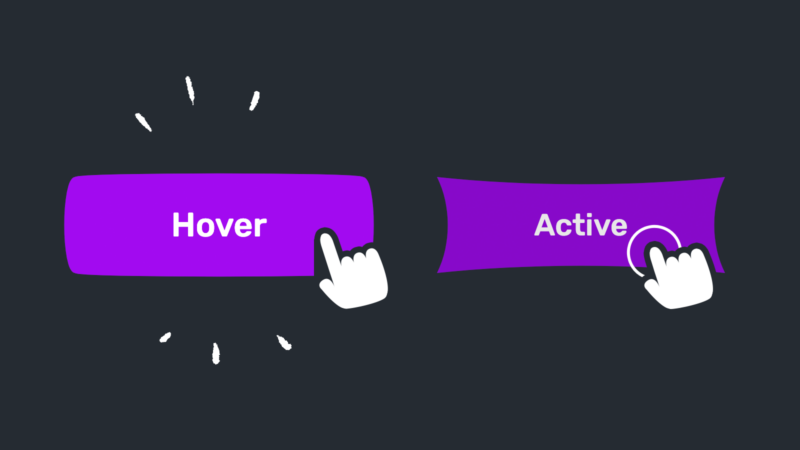
While I wasn’t looking, an elastic hover/active effect I shared on CodePen was viewed more than 11,000 times. Here’s how it works!
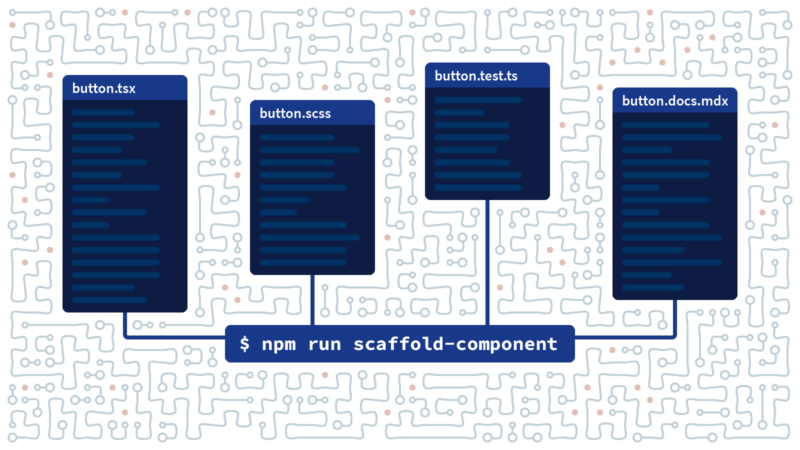
When developing websites, I often create the same boilerplate structure over and over. By creating a custom scaffolding script, I can automate this boring task and save a lot of time.
We’ve all encountered slow websites, sometimes forcing us to abandon our carts to head for speedier competitors. But knowing exactly what’s slowing down your own site and how to fix it can feel like…
Parts 1 and 2 of this series explore the browser's built-in HTML & CSS form validation features and how to progressively enhance the experience by layering in JavaScript. This article continues the exploration, focusing on a use case not handled natively: a checkbox group.

Are you tired of the same old meetings? Feeling stuck in a communication rut? In our latest Cloud Four Spotlight, we were fortunate to be joined by two incredible guests, Elise Keith and…

In Part 2 of this series, we take the base HTML and CSS form validation experience and progressively enhance it by adding JavaScript and the Constraint Validation API while also addressing accessibility concerns.