Designers, Design Systems and Finding Our Focus
For many designers, the process of finding one's place within a design system can be surprisingly tough.
You appear to be offline, some content may be unavailable.
For many designers, the process of finding one's place within a design system can be surprisingly tough.

Development toolchains now have many more layers of tools than they did years ago. Because of this change, the JS code that runs in our users' browsers looks less like the original code we authored. Periodically checking the code generated by our tools can lead to opportunities to reduce bundle size and improve performance for users.
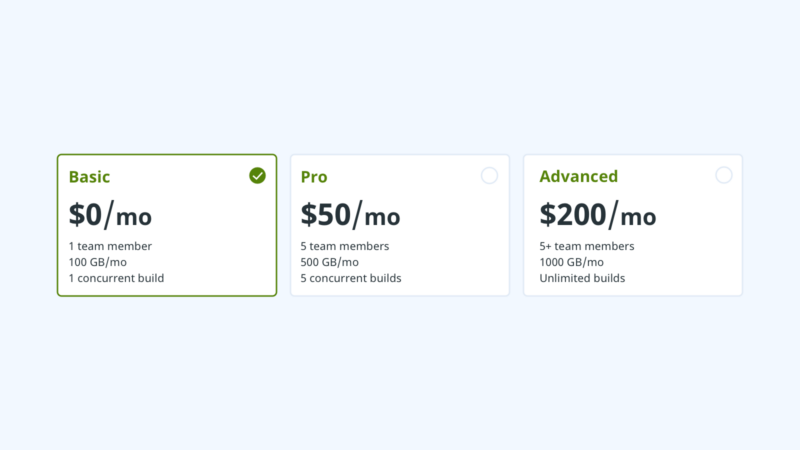
Sometimes labels for form fields are short and to the point. But other times, it’s helpful to provide users with more detailed information. Consider the common pattern of selecting a pricing plan for…
Website speed and performance are a question of equity. Fast and lightweight sites mean that everyone can access your content equally. It’s not only an economic imperative; it’s a moral imperative.
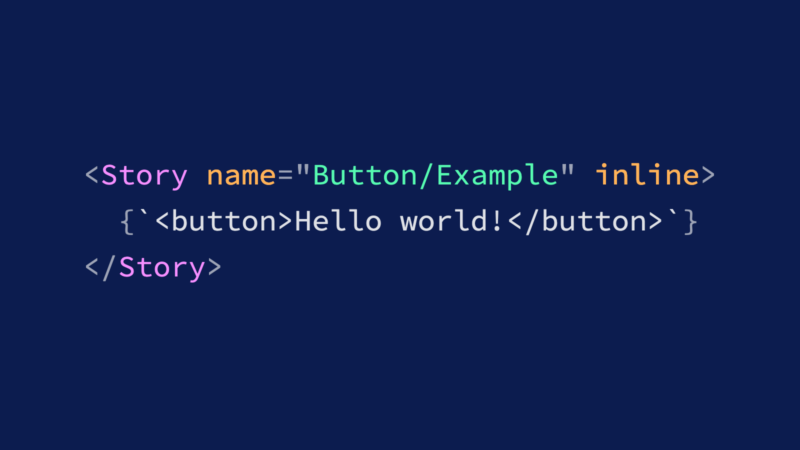
The Docs add-on displays vanilla HTML stories in iframes by default. Let's fix that!

We whole-heartedly support the protests and demands for justice and reform. Black lives matter. We’re listening, learning, and taking action.
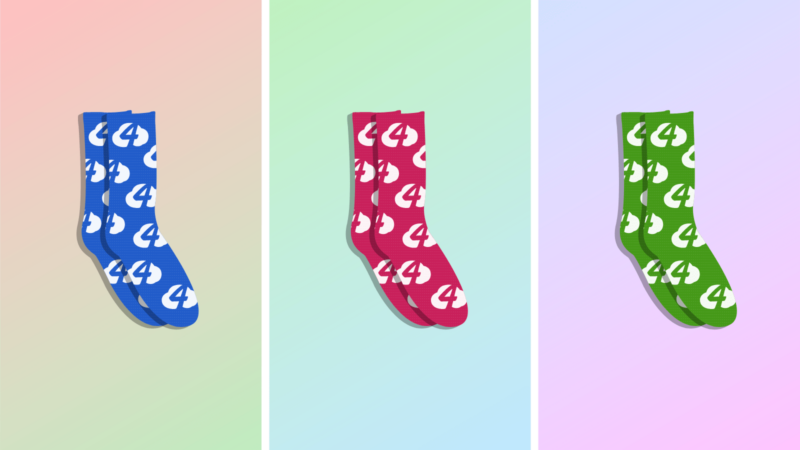
CSS filters unlock powerful new opportunities for playing with color. By applying some color theory we can dynamically generate harmonious color combos and gradients. Let's sell some socks!

Micro-interactions are small, singular interactions that serve one purpose: communicate meaningful feedback to users in a positive and welcoming way. People like to constantly know what’s going to happen when an action is performed and…
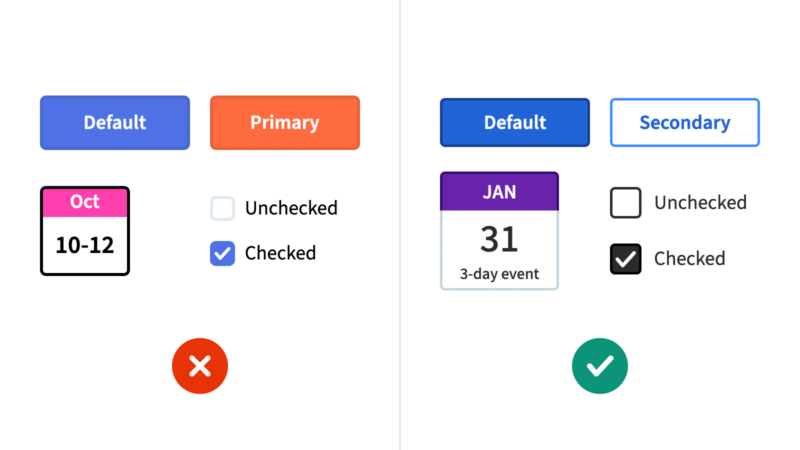
Our accessibility best practices have changed a lot in recent years, which we're reflecting in the next version of our design system.
The other day I was building a responsive website with a navigation menu that slides into view from the left when you click the menu button. I was about to head off to the pub,…